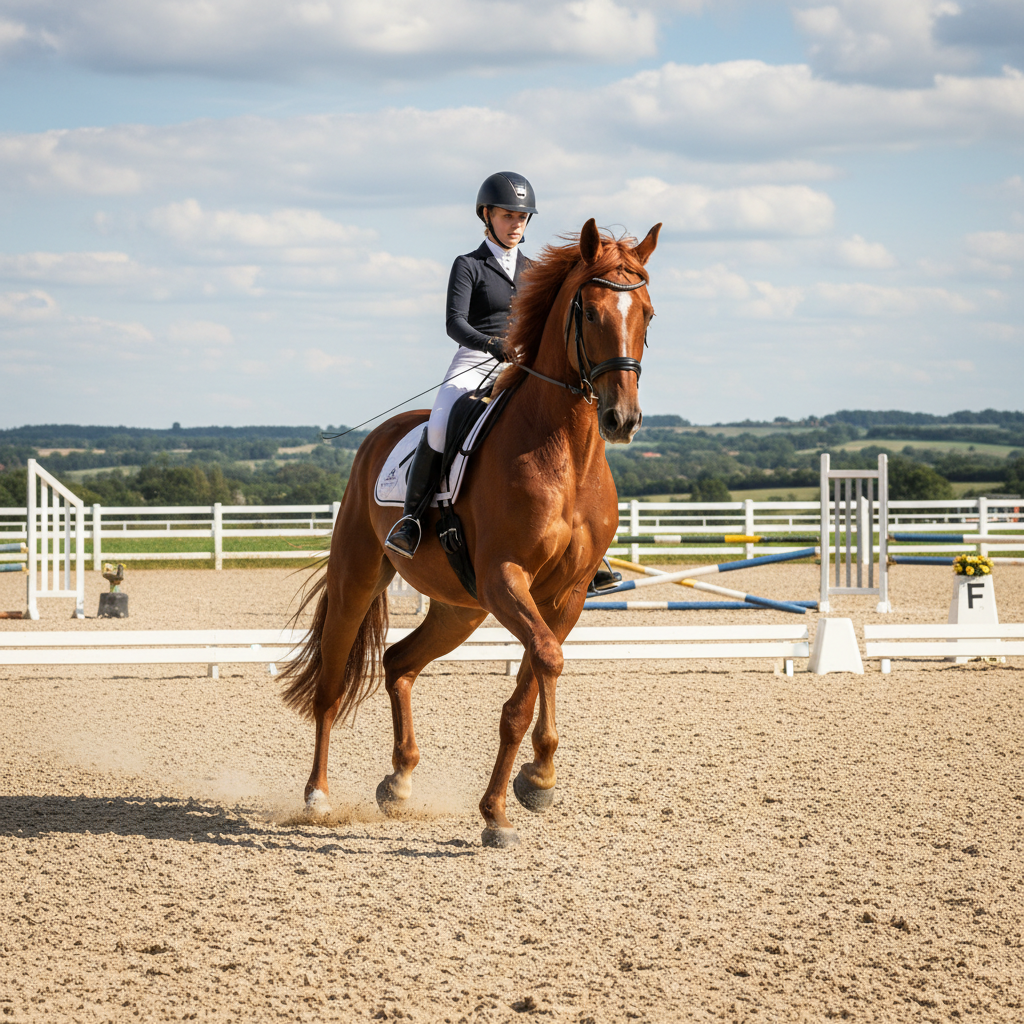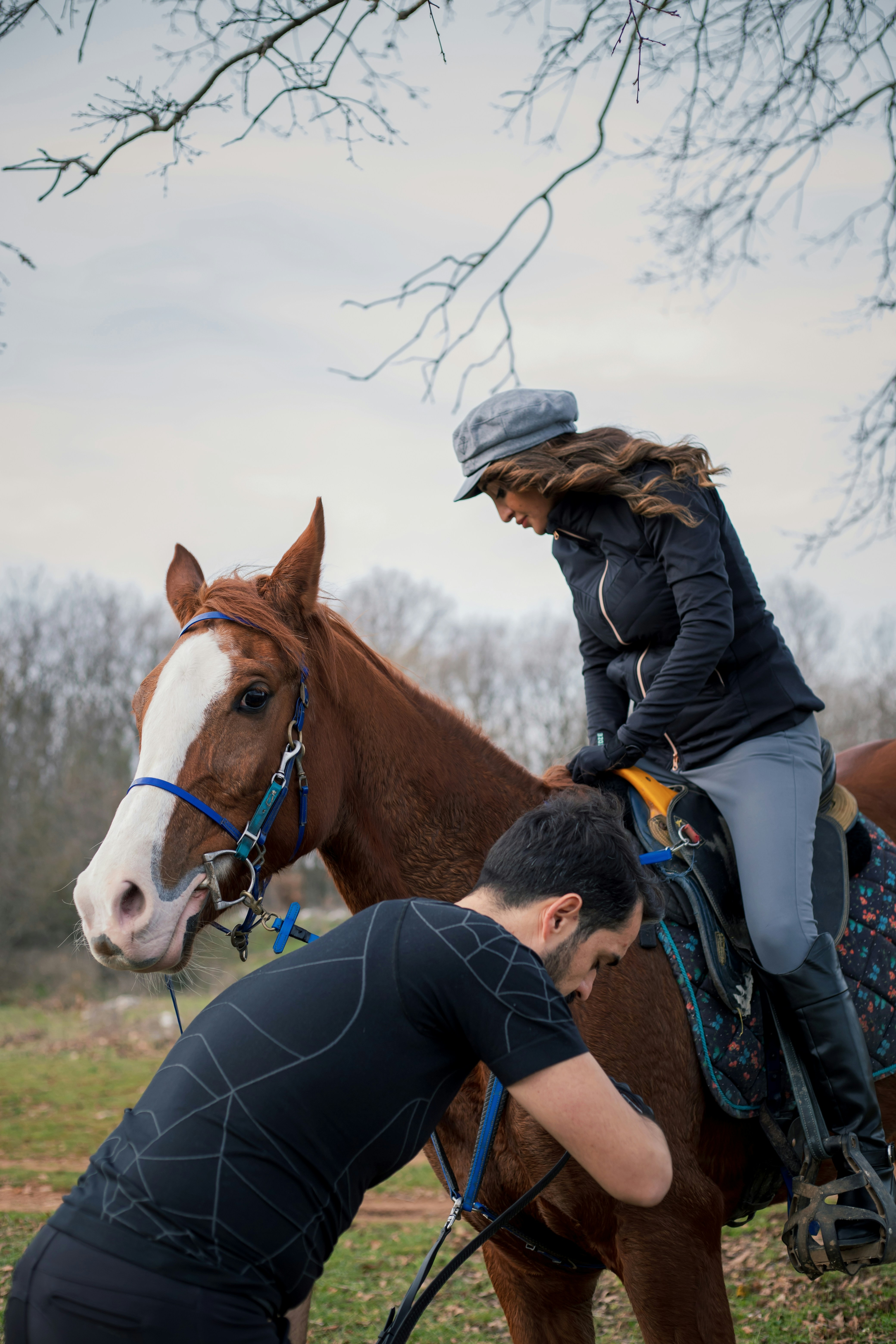
A poorly fitting saddle is one of the most common causes of back pain, behavioural problems, and poor performance in horses. For new horse owners, understanding saddle fit can feel overwhelming — but getting it right is essential for both your horse's welfare and your own comfort and safety. Here are our top 10 tips.
Tip 1: Always Use a Qualified Saddle Fitter
Before anything else, invest in a professional saddle fitting from a qualified Society of Master Saddlers (SMS) or equivalent certified fitter. They have the expertise to assess your horse's back shape, muscle development, and movement, and match these to the correct saddle tree width and panel configuration.
Tip 2: Check the Gullet Width First
The gullet (the channel running along the underside of the saddle) must clear the horse's spine along its entire length. You should be able to see daylight through the gullet from front to back when the saddle is placed on the horse without a pad. A gullet that presses on the spine causes serious pain and long-term damage.
Tip 3: Ensure the Saddle Sits Level
When placed on the horse's back, the saddle should sit level — neither tipping forward (which puts pressure on the withers) nor tipping back (which concentrates weight on the loins). A level saddle distributes the rider's weight evenly across the horse's back muscles.
Tip 4: Check Wither Clearance
There should be at least two to three fingers' width of clearance between the pommel (front arch) of the saddle and the horse's withers when a rider is seated. Too little clearance causes wither pressure; too much may indicate the tree is too wide and the saddle is sitting too low.
Tip 5: Assess Panel Contact
The panels (the padded underside of the saddle) should make even, full contact with the horse's back muscles on both sides. Uneven contact creates pressure points. Run your hand under the panels when the saddle is girthed up — you should feel consistent contact without any bridging (where the middle of the panel lifts away from the back).
Tip 6: Don't Forget the Rider's Fit
Saddle fit works both ways. The saddle must also fit the rider correctly. You should have approximately a hand's width of seat behind you and be able to sit in a balanced, neutral position without being tipped forward or back. A saddle that's too small restricts your movement; one that's too large makes it difficult to maintain a correct position.
Tip 7: Check the Saddle Position
The saddle should sit behind the shoulder blade (scapula) and not restrict its movement. Place the saddle slightly forward and then slide it back until it stops naturally — this is where it should sit. A saddle placed too far forward will interfere with the shoulder and cause the horse to shorten its stride.
Tip 8: Watch for Signs of Poor Fit
Your horse will tell you if the saddle doesn't fit. Common signs include:
- Pinning ears or showing teeth when being saddled
- Reluctance to go forward or bucking under saddle
- Uneven sweat patterns after work
- White hairs appearing on the back (indicating chronic pressure)
- Muscle atrophy (wasting) behind the shoulder
- Cold back or dipping away when mounted
Tip 9: Use Saddle Pads Correctly
A saddle pad should complement a well-fitting saddle, not compensate for a poorly fitting one. Using thick pads to "fix" a saddle that's too wide actually makes the fit worse by filling the gullet and increasing pressure. Use a pad appropriate for your discipline and ensure it's pulled up into the gullet before tightening the girth.
Tip 10: Have Your Saddle Checked Regularly
A horse's back shape changes with age, fitness, weight, and muscle development. A saddle that fitted perfectly when you bought it may no longer fit six months later. Have your saddle checked by a qualified fitter at least once a year, or more frequently if your horse is young, in heavy work, or has recently changed condition.
🐴 Saddle Fit Quick Reference
- ✅ Gullet clears spine along full length
- ✅ Saddle sits level on the back
- ✅ 2–3 fingers wither clearance with rider seated
- ✅ Even panel contact, no bridging
- ✅ Saddle positioned behind shoulder blade
- ✅ Rider sits in balanced, neutral position
- ✅ No behavioural signs of discomfort
- ✅ Annual check by qualified saddle fitter
Investing in a properly fitted saddle is one of the best things you can do for your horse's wellbeing and your riding progress. If you're looking for quality saddles, browse our curated selection in the EquiMarket Saddle Shop.