Purchasing a horse is a significant financial and emotional investment. A thorough pre-purchase health examination can save you from costly surprises and ensure the horse you're buying is genuinely suited to your intended use. Here's what every buyer should check before signing on the dotted line.
1. Commission a Pre-Purchase Veterinary Examination (PPE)
The most important step is hiring an independent veterinarian — one not connected to the seller — to perform a full pre-purchase examination. This typically includes a physical assessment, flexion tests, and may include X-rays, scoping, and blood tests depending on the horse's intended use and price.
A 5-stage vetting is the most comprehensive option and is strongly recommended for horses intended for competition or significant investment. A 2-stage vetting covers the basics and may be appropriate for lower-value horses used for light leisure riding.
2. Check Vaccination and Worming Records
Ask to see the horse's vaccination history. Core vaccinations for horses typically include equine influenza, tetanus, and in some regions, equine herpesvirus (EHV). Ensure vaccinations are up to date and that the records are in the horse's passport.
Worming records are equally important. A horse that hasn't been regularly wormed may have a significant parasite burden that could affect its health and performance. Ask for a faecal egg count history if available.
3. Verify the Horse Passport
In many countries, horses are legally required to have a passport. This document contains the horse's identification details, microchip number, vaccination records, and medication history. Always verify that the passport matches the horse in front of you — check the microchip number and the silhouette diagram.
A missing or inconsistent passport is a serious red flag. Never purchase a horse without a valid, matching passport.
4. Assess Dental Health
Dental problems are common in horses and can significantly affect their ability to eat and accept a bit. Ask when the horse last had its teeth floated (rasped) by an equine dentist. Signs of dental issues include quidding (dropping food), weight loss, head shaking, or resistance to the bit.
Your vet should include a basic dental check as part of the PPE, but a specialist equine dental examination may be warranted for older horses.
5. Examine Hoof and Leg Health
The legs and hooves are the foundation of a horse's soundness. Look for any swelling, heat, or asymmetry in the legs. Check the hooves for cracks, thrush, or signs of laminitis (rings on the hoof wall, a "boxy" shape, or a history of the condition).
Ask about the horse's shoeing history and whether it has ever been diagnosed with navicular disease, ringbone, or other chronic conditions. X-rays of the feet and lower limbs are often recommended for horses intended for jumping or intensive work.
6. Watch the Horse Move
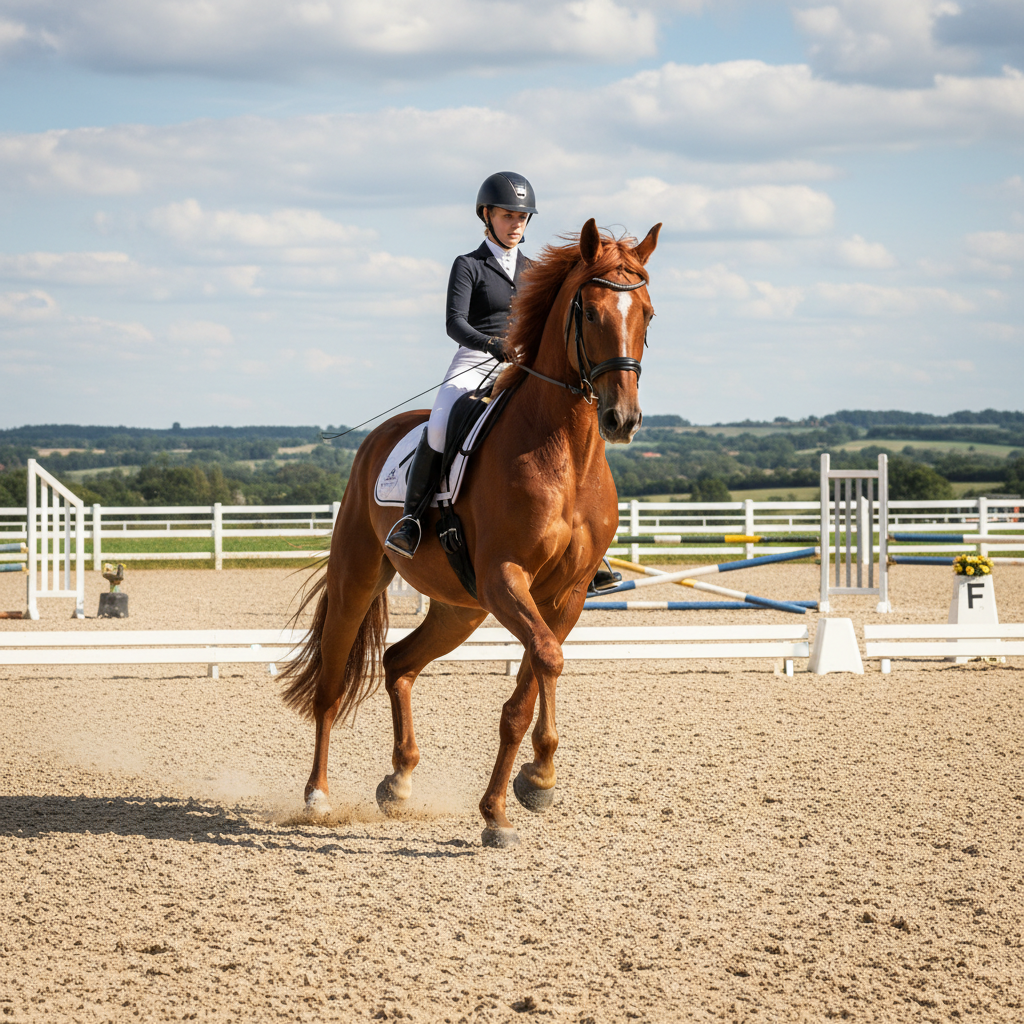
Observe the horse moving in-hand at walk and trot on a hard, flat surface. Look for any unevenness, stiffness, or irregularity in the gait. Ask to see it lunged on both reins and ridden at all paces.
Flexion tests performed by your vet will stress individual joints and reveal any latent lameness that might not be obvious at rest. A horse that shows significant positive flexion responses may have underlying joint issues that will worsen with work.
7. Ask About Stable Vices and Behavioural History
Stable vices such as crib-biting, wind-sucking, weaving, and box-walking can indicate stress and may cause health problems. Ask the seller directly about any vices and observe the horse in its stable environment.
Also ask about the horse's behaviour when being caught, loaded, clipped, and shod. A horse with significant handling issues may require considerable time and expertise to manage safely.
🩺 Pre-Purchase Health Checklist
- ✅ Independent veterinary PPE (5-stage for competition horses)
- ✅ Vaccination records verified and up to date
- ✅ Worming history reviewed
- ✅ Passport checked and microchip verified
- ✅ Dental health assessed
- ✅ Legs and hooves examined for heat, swelling, or abnormalities
- ✅ Horse observed moving in-hand and under saddle
- ✅ Stable vices and behavioural history discussed with seller
- ✅ X-rays taken if required for intended discipline
Taking the time to conduct thorough health checks before purchasing a horse protects both your investment and your safety. Never let enthusiasm override due diligence — a horse that passes a rigorous vetting is a horse you can trust. Browse health-certified horses on EquiMarket today.